വൈക്കത്തപ്പൻVaikkathappan
ദിവസത്തിൽ ദക്ഷിണാമൂർത്തി, കിരാതമൂർത്തി, കുടുംബസമേതൻ എന്നീ ഭാവങ്ങളിൽ ആരാധിക്കുന്ന ശിവലിംഗംShiva as a tall linga, seen as Dakshinamurthy, Kiratha and the family form through the day
ॐ
വൈക്കം, കോട്ടയം · കോട്ടയം ജില്ല · കേരളംVaikom, Kottayam · Kottayam District · Kerala
ഓം നമഃ ശിവായ
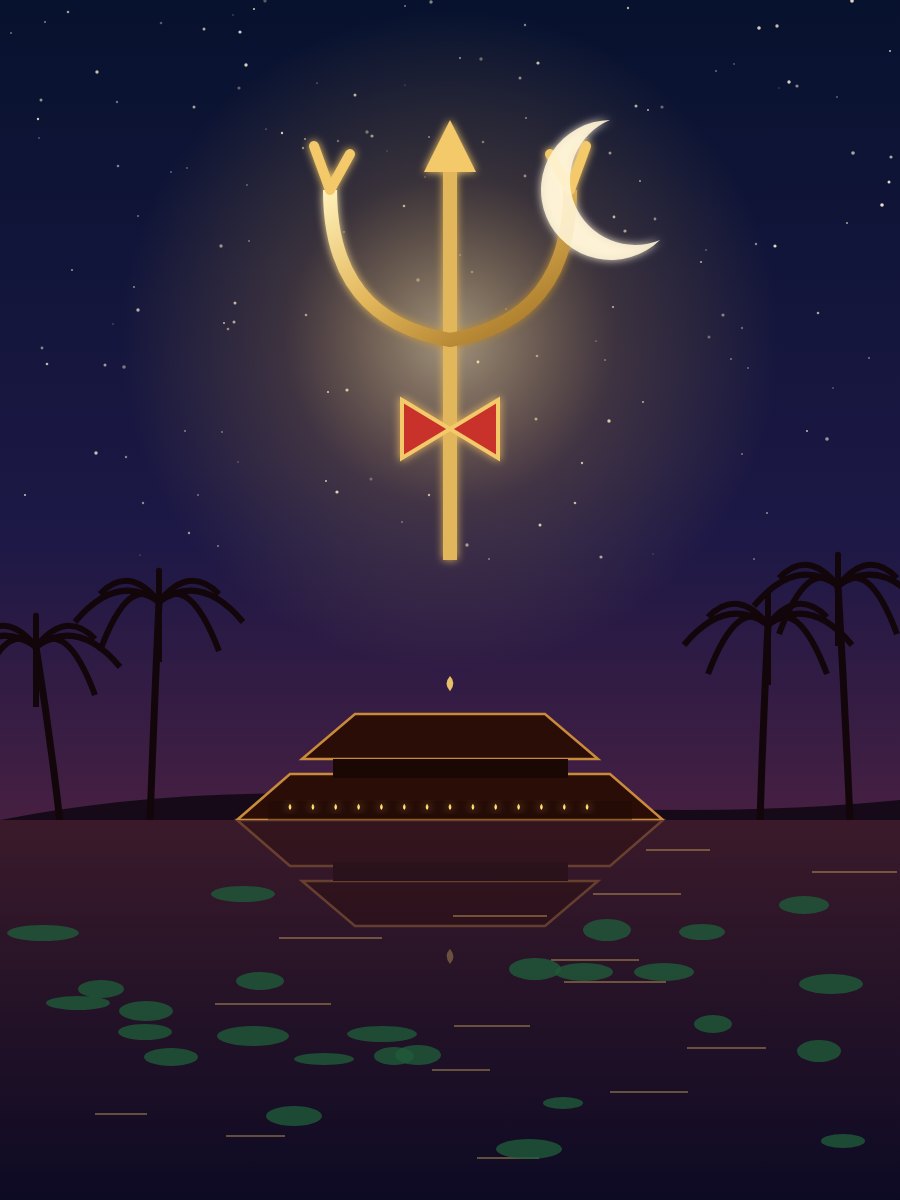
വേമ്പനാട്ട് കായലിന്റെ കിഴക്കേ തീരത്തോട് ചേർന്ന വൈക്കം പട്ടണത്തിലാണ് കേരളത്തിലെ ഏറ്റവും പഴക്കമുള്ളതും പ്രിയപ്പെട്ടതുമായ ശിവക്ഷേത്രങ്ങളിലൊന്നായ വൈക്കം മഹാദേവ ക്ഷേത്രം. ഭക്തർ ഭഗവാനെ ‘വൈക്കത്തപ്പൻ’ എന്നും ‘അന്നദാനപ്രഭു’ എന്നും വിളിക്കുന്നു – തീർത്ഥാടകർക്ക് അന്നം നൽകുക എന്നത് എക്കാലവും ഇവിടത്തെ ആരാധനയുടെ കാതലായിരുന്നു.
ഒരു ദിവസത്തിനുള്ളിൽ വൈക്കത്തപ്പൻ മൂന്ന് ഭാവങ്ങളിൽ ദർശനം നൽകുന്നു എന്നാണ് വിശ്വാസം: രാവിലെ ജ്ഞാനം നൽകുന്ന ദക്ഷിണാമൂർത്തി, ഉച്ചയ്ക്ക് വിജയം നൽകുന്ന കിരാതമൂർത്തി, വൈകുന്നേരം പാർവ്വതിയോടും മക്കളോടുമൊപ്പമിരുന്ന് കുടുംബജീവിതത്തെ അനുഗ്രഹിക്കുന്ന ഭാവം. 1924–25-ലെ വൈക്കം സത്യാഗ്രഹത്തിന്റെ വേദിയെന്ന നിലയിൽ കേരളത്തിന്റെ സാമൂഹിക ചരിത്രത്തിലും ഈ ക്ഷേത്രത്തിന് വലിയ സ്ഥാനമുണ്ട്.
Vaikom Mahadeva Temple stands in the lakeside town of Vaikom, close to the eastern shore of Vembanad lake, and is one of the oldest and most loved Shiva temples in Kerala. Devotees call the Lord Vaikkathappan, and also Annadana Prabhu – the Lord who feeds – because sharing food with pilgrims has always been at the heart of worship here.
Devotees believe Vaikkathappan shows a different face through the day: in the morning he is Dakshinamurthy, the teacher who gives wisdom; at midday Kiratha, the hunter who gives success; and in the evening the family man seated with Parvati and their sons, who blesses home life. The temple is also a landmark of Kerala's social history, as the place of the Vaikom Satyagraha of 1924–25.
ഏറ്റുമാനൂരിനും കടുത്തുരുത്തിക്കുമൊപ്പം ഒരേ ഐതിഹ്യമാണ് വൈക്കത്തിനും. ഖരൻ എന്ന അസുരന് ശിവനിൽ നിന്ന് മൂന്ന് ശിവലിംഗങ്ങൾ ലഭിച്ചെന്നും, തെക്കോട്ടുള്ള യാത്രയ്ക്കിടെ നിലത്തുവെച്ച അവ പിന്നീട് ഇളക്കാനാകാതെ വന്നപ്പോൾ വ്യാഘ്രപാദ മഹർഷിയെ ഏൽപ്പിച്ചെന്നുമാണ് കഥ. വലതുകൈയിലുണ്ടായിരുന്ന ലിംഗമാണ് വൈക്കത്ത് പൂജിക്കപ്പെടുന്നത്. ഭക്തിയോടെ പൂജ ചെയ്ത വ്യാഘ്രപാദന് വൃശ്ചികമാസത്തിലെ കൃഷ്ണപക്ഷ അഷ്ടമിയിൽ ശിവപാർവ്വതിമാർ ദർശനം നൽകിയെന്നാണ് വിശ്വാസം – ആ ദിവസമാണ് വൈക്കത്തഷ്ടമിയായി ആഘോഷിക്കുന്നത്. ‘വ്യാഘ്രപാദപുരം’ എന്ന പഴയ പേര് കാലക്രമേണ ‘വൈക്കം’ ആയി മാറിയെന്നാണ് കരുതപ്പെടുന്നത്.
ജലത്തിൽ തിളങ്ങിനിന്ന ലിംഗം കണ്ട പരശുരാമൻ അത് പ്രതിഷ്ഠിച്ച് ക്ഷേത്രം നിർമ്മിക്കുകയും ആചാരങ്ങൾ നിശ്ചയിക്കുകയും ചെയ്തു എന്ന് ഐതിഹ്യത്തിന്റെ മറ്റൊരു ഭാഗം പറയുന്നു. തീർത്ഥാടകർക്ക് വിളമ്പിയ ഭക്ഷണം ബ്രാഹ്മണവേഷത്തിൽ വൈക്കത്തപ്പൻ തന്നെ കഴിക്കുന്നത് വില്വമംഗലം സ്വാമിയാർ കണ്ടുവെന്ന കഥയും ഭക്തർ പറയുന്നു; ആ സ്ഥാനം ഇന്നും ക്ഷേത്രത്തിൽ അടയാളപ്പെടുത്തിയിട്ടുണ്ട്.
നാല് ഗോപുരങ്ങളോടെ ഏകദേശം എട്ട് ഏക്കറിലാണ് ക്ഷേത്രം. ചെമ്പുമേഞ്ഞ വട്ടശ്രീകോവിലിന്റെ പുറംചുവരുകളിൽ പുരാണകഥകൾ പറയുന്ന ചിത്രങ്ങളും ദാരുശില്പങ്ങളുമുണ്ട്. അന്ന് താഴ്ന്ന ജാതിക്കാരെന്ന് മുദ്രകുത്തപ്പെട്ടവർക്ക് വിലക്കപ്പെട്ടിരുന്ന ക്ഷേത്രത്തിന് ചുറ്റുമുള്ള വഴികളിൽ 1924–25-ൽ ടി.കെ. മാധവൻ, കെ. കേളപ്പൻ തുടങ്ങിയവരുടെ നേതൃത്വത്തിൽ സമാധാനപരമായ വൈക്കം സത്യാഗ്രഹം നടന്നു; ഇ.വി. രാമസ്വാമി ‘പെരിയാർ’ ഉൾപ്പെടെയുള്ളവർ പങ്കുചേർന്നു. സമരത്തിനൊടുവിൽ മൂന്ന് വഴികൾ എല്ലാവർക്കുമായി തുറന്നുകൊടുത്തു; 1936-ലെ ക്ഷേത്രപ്രവേശന വിളംബരം പിന്നീട് തിരുവിതാംകൂറിലെ ക്ഷേത്രങ്ങൾ എല്ലാ ഹിന്ദുക്കൾക്കുമായി തുറന്നു. ക്ഷേത്രഭരണം തിരുവിതാംകൂർ ദേവസ്വം ബോർഡിനാണ്.
The temple shares its legend with Ettumanoor and Kaduthuruthy. The asura Khara, it is said, received three Shiva lingas from Shiva and set them down on his way south; they could not be moved again, and he left them in the care of the sage Vyaghrapada. The linga from his right hand is the one worshipped at Vaikom. Vyaghrapada worshipped it with deep devotion, and devotees believe that on the Krishnapaksha Ashtami of Vrischikam Shiva and Parvati appeared before him – the day celebrated ever since as Vaikathashtami. The old name of the place, Vyaghrapadapuram, is believed to have softened over time into Vaikom.
Another strand of the legend says that Parasurama found the linga shining in the water, consecrated it, built the temple and laid down its rituals. Devotees also tell how the saint Vilwamangalam once saw Vaikkathappan himself, disguised as a Brahmin, sharing the meal served to pilgrims – a spot now marked in the temple.
The temple stands on about eight acres, with four gopurams and a round sreekovil roofed in copper, its outer walls covered with paintings and wood carvings of Puranic stories. In 1924–25 the roads around the temple, then closed to people of so-called lower castes, became the scene of the Vaikom Satyagraha, a peaceful protest led by T. K. Madhavan, K. Kelappan and others and joined by E. V. Ramasamy 'Periyar'. Three of the roads were opened to all at its end, and the Temple Entry Proclamation of 1936 later opened Travancore's temples to all Hindus. The temple is administered by the Travancore Devaswom Board.
ദിവസത്തിൽ ദക്ഷിണാമൂർത്തി, കിരാതമൂർത്തി, കുടുംബസമേതൻ എന്നീ ഭാവങ്ങളിൽ ആരാധിക്കുന്ന ശിവലിംഗംShiva as a tall linga, seen as Dakshinamurthy, Kiratha and the family form through the day
തെക്കുകിഴക്കേ സന്നിധിയിൽ മഹാഗണപതിയും ശക്തിഗണപതിയും; ബലിക്കൽപ്പുരയ്ക്കരികിൽ സ്തംഭഗണപതിMaha Ganapathi and Sakthi Ganapathi in the south-east shrine, and Sthamba Ganapathi near the balikkalpura
ശ്രീകോവിലിന് ചുറ്റും പ്രതിഷ്ഠിച്ച എട്ട് ദിക്കുകളുടെ കാവൽദേവതകൾGuardians of the eight directions, consecrated around the sreekovil
കേരളീയ പരമ്പരാഗത വേഷമാണ് ഉചിതം. പുരുഷന്മാർ മുണ്ടുടുത്ത്, അകത്ത് കടക്കും മുമ്പ് ഷർട്ട് അഴിക്കുന്നതാണ് പതിവ്; സ്ത്രീകൾക്ക് സാരി, സെറ്റ്-മുണ്ട്, ബ്ലൗസിനൊപ്പം നീളൻ പാവാട, അല്ലെങ്കിൽ ചുരിദാർ. നിയമങ്ങൾ മാറാം; ക്ഷേത്രത്തിലെ നിലവിലുള്ള അറിയിപ്പുകൾ പാലിക്കുക.
ക്ഷേത്രാചാരപ്രകാരം അകത്തെ ക്ഷേത്രത്തിലേക്ക് ഹിന്ദുക്കൾക്കാണ് പ്രവേശനം; ക്ഷേത്രത്തിലെ നിലവിലുള്ള അറിയിപ്പുകൾ പാലിക്കുക. ചെരിപ്പ് പുറത്ത് സൂക്ഷിക്കുക; ഫോട്ടോ എടുക്കും മുമ്പ് അനുവാദം ചോദിക്കുക.
വൈക്കത്തപ്പന് സമർപ്പിച്ച് ഭക്തർക്ക് വിളമ്പുന്ന ‘പ്രാതൽ’ ആണ് ഇവിടത്തെ ഏറ്റവും പ്രിയപ്പെട്ട വഴിപാട്. നിലവിലുള്ള ക്രമീകരണങ്ങൾ ക്ഷേത്രത്തിൽ അന്വേഷിക്കുക.
അതിരാവിലെയാണ് ഏറ്റവും ശാന്തമായ സമയം. വൃശ്ചികമാസത്തിലെ (നവംബർ–ഡിസംബർ) പന്ത്രണ്ട്–പതിമൂന്ന് ദിവസത്തെ വൈക്കത്തഷ്ടമി ഉത്സവത്തിന്, പ്രത്യേകിച്ച് അഷ്ടമി നാളിൽ, വൻതിരക്കാണ്; ശിവരാത്രിക്കും തിങ്കളാഴ്ചകളിലും തിരക്കേറും. ഏറ്റുമാനൂരും കടുത്തുരുത്തിയും ചേർത്ത് ഒരേ രാവിലെ ദർശനം നടത്തുന്ന ഭക്തർ ധാരാളമുണ്ട്.
ഉദയനാപുരം സുബ്രഹ്മണ്യ ക്ഷേത്രം – വൈക്കത്തപ്പന്റെ പുത്രൻ, ഏതാനും കിലോമീറ്റർ അകലെ; അഷ്ടമി ഉത്സവത്തിലെ പ്രധാന ചടങ്ങിന്റെ ഭാഗം
കടുത്തുരുത്തി തളിയിൽ മഹാദേവ ക്ഷേത്രം – ഏകദേശം 10 കി.മീ
ഏറ്റുമാനൂർ മഹാദേവ ക്ഷേത്രം – ഏകദേശം 25 കി.മീ
വൈക്കം കായലോരവും ബോട്ട് ജെട്ടിയും – നടന്നെത്താം; വേമ്പനാട്ട് കായൽ കടക്കുന്ന ഫെറികൾ
വൈക്കം സത്യാഗ്രഹ സ്മാരകവും പെരിയാർ സ്മാരകവും – പട്ടണത്തിൽ തന്നെ
Traditional Kerala dress is expected. Men usually wear a mundu and remove their shirt before entering the inner temple; women wear a saree, set-mundu, a long skirt with blouse or a churidar. Rules can change, so please follow the temple's current notices.
By the temple's tradition, entry to the inner temple is for Hindus; please follow the temple's current notices. Leave footwear outside and ask before taking any photographs.
The prathal – a meal offered to Vaikkathappan and served to devotees – is the temple's most cherished offering. Ask at the temple about the current arrangements.
Early morning is the quietest time. The twelve to thirteen days of the Vaikathashtami festival in Vrischikam (Nov–Dec) draw huge crowds, above all on Ashtami day itself; Shivaratri and Mondays are also busy. Many pilgrims combine Vaikom with Ettumanoor and Kaduthuruthy on the same morning.
Udayanapuram Subrahmanya Temple – Vaikkathappan's son, a few kilometres away; his visit is part of the Ashtami festival
Kaduthuruthy Thaliyil Mahadeva Temple – about 10 km away
Ettumanoor Mahadeva Temple – about 25 km away
Vaikom lakeside and boat jetty – a short walk; ferries cross Vembanad lake
Vaikom Satyagraha and Periyar memorials – in the town
വൈക്കം മഹാദേവ ക്ഷേത്രം, വൈക്കം, കോട്ടയം ജില്ല, കേരളം
Vaikom Mahadeva Temple, Vaikom, Kottayam district, Kerala